The Need for Modern Reformers in the Local Church

“The problem with preachers today is that nobody wants to kill them anymore!”

Steven J. Lawson
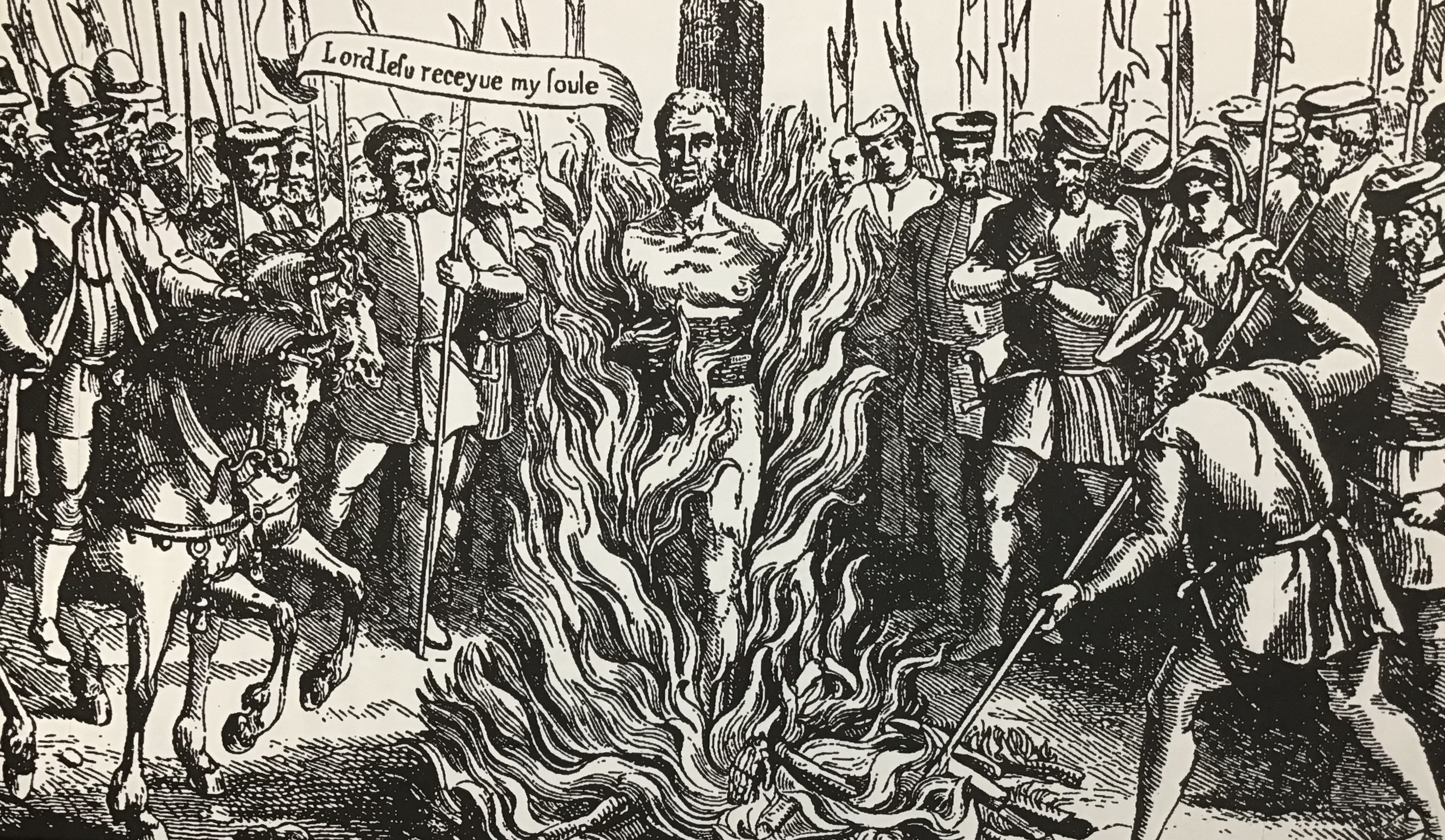
Bishop Hooper burned at the stake for the gospel.

Although we Protestants say that we don’t venerate the saints, you wouldn’t know it the way some pastors fawn over Luther, Calvin, Knox, Spurgeon, and other reformers. Don’t get me wrong, I think those men were used mightily of God, in spite of their flaws and personal sin.

But what I wonder about is how it is that so many pastors who would look up to these men and admire them for their courage and boldness are so cowardly in their own churches when they are called upon by the testimony of the Word of God to stand firm against a potential revolt by those who do not want biblical change.

When Gideon was called to pull down the idols in his town, he may have been overcome by the fear of man, but at least he did it, even if under the cover of night. And when they found out what he did, they wanted to kill him.

When Josiah came to understand how far Judah had fallen away from obedience to the Law, he immediately began to purge Judah and Jerusalem of its idolatrous high places and reinstated the reform that was necessary to please the Lord. This led to a need to rebuild and reorder the temple so that proper worship could be restored.

And the church today is in need of men who are ready and willing to make the changes that are needed in their local churches where unbiblical practices have found a nesting place for ages. For fear of confrontation, loss of income, or prominent families, or a simple fear of losing your job, pastors remain silent in the face of unrepentant sin and all manner of false practices. Unregenerate men are allowed to remain on elder and deacon boards, unhealthy and unbiblical curriculum and programs continue to function so as to avoid a conflict with a women’s ministry head or the parents of the youth. The call for entertainment in church continues to ring louder as the Word of God is given less time to work in the hearts that need it.

Yes, we admire Luther’s stand at the Diet of Worms where he refused to recant. We applaud Spurgeon for being unwilling to give in to the New Measures that sought to entertain the goats. We are in awe of Whitefield who preached the gospel wherever he could garner an audience. We rejoice at the courage of John Rogers and the other Marian martyrs who refused to stop preaching under Bloody Mary of Tudor, and were burned at the stake for it. But will we stand today? Where is our courage? Where is our godly resolve to trust God in the face of angry adversity within and outside of the church? Brothers! Be strong and very courageous!

Don’t Envy the Temporary Success of the Wicked

Sometimes it is so hard for Christians to see the unabated success of the wicked in the face of some significant trials and struggles. If the troubles weren’t bad enough, it is made worse when the unbelievers around us point out how foolish we are for clinging to hope in Jesus when we could simply make it easier on ourselves and do what it seems like everyone else is doing to get ahead.

In Psalm 49, the sons of Korah wrestled with this very issue and want to help us to endure by clinging to the Lord. To do this, they inject a massive dose of truth that we can easily forget. To begin with, they need to get our attention:

Hear this, all peoples! Give ear, all inhabitants of the world, both low and high, rich and poor together! My mouth shall speak wisdom; the meditation of my heart shall be understanding. I will incline my ear to a proverb; I will solve my riddle to the music of the lyre.” (Psalm 49:1–4, ESV)

With the false health-wealth and prosperity gospel out there, many people all over the world are convinced that they can have all the wealth and riches that this world offers and heaven too. With Joel Olsteen, Hillsong Church, TBN preachers, and other snake-oil salesmen selling a false gospel for profit, it seems as if you are losing out if you don’t get a piece of the action. It’s not that the Lord is against wealth, but those that would seek to do anything to gain it, or who make it their god and driving desire in life become shipwrecked in their faith.

To address this tendency to seek pleasure and success apart from God, the psalmist slaps his readers with the truth to awaken us from the stupor that can overcome us. He writes:

Why should I fear in times of trouble, when the iniquity of those who cheat me surrounds me, those who trust in their wealth and boast of the abundance of their riches? Truly no man can ransom another, or give to God the price of his life, for the ransom of their life is costly and can never suffice, that he should live on forever and never see the pit. For he sees that even the wise die; the fool and the stupid alike must perish and leave their wealth to others. Their graves are their homes forever, their dwelling places to all generations, though they called lands by their own names. Man in his pomp will not remain; he is like the beasts that perish. This is the path of those who have foolish confidence; yet after them people approve of their boasts. Selah Like sheep they are appointed for Sheol; death shall be their shepherd, and the upright shall rule over them in the morning. Their form shall be consumed in Sheol, with no place to dwell. But God will ransom my soul from the power of Sheol, for he will receive me. Selah

(Psalm 49:5–15, ESV)

Below are 4 Great Truths that We Can Take to the Bank Regarding those Who Have Made Success and Money Their God.

  1. Great Wealth Cannot Buy Spiritual Freedom.Truly no man can ransom another, or give to God the price of his life, for the ransom of their life is costly and can never suffice, that he should live on forever and never see the pit.” (Psalm 49:7–9, ESV)
  2. Great Power Cannot Stop Death.
    • Everyone dies.For he sees that even the wise die; the fool and the stupid alike must perish and leave their wealth to others.” (Psalm 49:10, ESV)
    • Everyone is buried.Their graves are their homes forever, their dwelling places to all generations, though they called lands by their own names. Man in his pomp will not remain; he is like the beasts that perish. This is the path of those who have foolish confidence; yet after them people approve of their boasts. Selah” (Psalm 49:11–13, ESV)
    • Everyone is raised up: The wicked to eternal death, and the righteous to eternal life.Like sheep they are appointed for Sheol; death shall be their shepherd, and the upright shall rule over them in the morning. Their form shall be consumed in Sheol, with no place to dwell. But God will ransom my soul from the power of Sheol, for he will receive me. Selah” (Psalm 49:14–15, ESV)
  3. Nobody Will Take Anything With Them.For when he dies he will carry nothing away; his glory will not go down after him.” (Psalm 49:17, ESV)
  4. The Wicked Rejoice in Temporary Pleasures. For though, while he lives, he counts himself blessed —and though you get praise when you do well for yourself— his soul will go to the generation of his fathers, who will never again see light.” (Psalm 49:18–19, ESV)

Therefore, Get Understanding! With this truth and clarity comes the reality of where we need to focus. “Man in his pomp yet without understanding is like the beasts that perish.” (Psalm 49:20, ESV). Do not be like a dumb beast that simply lives for its next meal. Instead seek the living God who is worth more than silver or gold.

Help for New Expositors: Application in the Sermon

Getting the correct meaning of the text is first and foremost when you are preparing a sermon or Bible study. If you get that wrong, then everything else will be wrong. But the exegesis is only the beginning of sermon preparation. For the listener to gain any benefit from the exposition, the expositor will need to adequately illustrate and apply the text. Since application is a necessary element that newer expositors can struggle with, I’ve laid out seven helps for making sure that you get the application right.

  1. Apply the text. I say this because there are some young preachers who actually believe that it is not necessary to include application in the sermon. You can call it “implications,” but the fact remains that you are to bring the Word of God to bear upon the hearts and lives of your hearers. When John the Baptist preached in the wilderness, he applied the text specifically to his hearers–to the crowd, soldiers and tax collectors (Lk 3:10-14).
  2. Find the universal principles. These are the timeless principles which are true at all times for different groups of people. For instance, God tell his people that he will never leave them, that he will provide for them and protect them. He also says that they are not to worship any other gods. God’s people are also told that they are to love, pray, be patient and not anxious, etc. God is described throughout Scripture as never changing, and so his character is immutable. This can lead us to certain conclusions about him. He always keeps his promises, therefore the righteous will inherit life, and the unrighteous will be judged. These are just a few examples.
  3. Meditate on how you will respond to the text. Sometime a lack of application is a sign that the preacher has not meditated long on the text. Ask yourself the following questions to help: Does this text impact your life?What will you now do, believe, be thankful for or repent of because of this text? So what? Why did God inspire and preserve this passage of Scripture? If you can’t answer these questions for yourself, neither will your listener know what to do either.
  4. Think about your listeners. Knowing your audience will go a long way to help you think through the application and how it will affect their lives. Who are they? (Careers, education, marital status, children, etc.) What are they going through right now? (joys, trials, spiritual life) How will this text impact them when they hear it? Will it help them? How?
  5. Be pointed and specific. Don’t fall into the trap of just telling people to “pray more” or “read your Bible more” or “have more faith.” Tell them how. Be specific enough that they have a few ideas about how they can apply the text—this is helpful for the newer believer. Give the bigger theological picture so that the more mature believers can see other application in their own lives outside of your suggestions.
  6. Use “You” in your application. Don’t shy away from being the messenger of God. He is speaking to them through you.Don’t let a fear of man soften what the Lord has said. You may include yourself (“we”), but you must also speak directly.
  7. Point people to the Cross and the Holy Spirit. We don’t want to err into moralistic preaching that simply calls people to be good. The Bible does teach morality, but it does so by addressing the heart and God’s work through justification and sanctification. Don’t take a short cut and simply tell your hearers to “be good.” Also, preach the need for Christ to unbelievers who are unable to obey since they are unregenerate. Make sure you remember that your audience is mixed. Finally, preach the necessary power of the Holy Spirit for the believer to change. We cannot change in our own power. Don’t frustrate Christians with a command they cannot do by themselves. Teach them to depend upon the Lord for change.

Our Great Resurrection Hope (part 4)

He is risen! On this beautiful Resurrection Sunday morning, there is eternal hope for every believer in Christ Jesus. Although they are fun, the easter egg hunts, baskets, pretty Spring dresses, and bunnies cannot compare to the joy that rises in the heart of those who have placed their trust in Christ. In this final post of our great resurrection hope, we will look at the crushing of the enemy and the final victory that we are assured. Our hope is not a wishful thinking but an assured confidence.

In Part 1, we learned that Christ’s Resurrection Guarantees the Christian’s Resurrection, and in Part 2, we saw that Christ’s Resurrection Reverses the Curse of Humanity, and in Part 3, we saw that Christ’s Resurrection Gives Hope for the Future. Let us look at Paul’s words in 1Corinthians 15:24-26 as we consider the fourth reason this day is one of such great hope.

Then comes the end, when he delivers the kingdom to God the Father after destroying every rule and every authority and power. For he must reign until he has put all his enemies under his feet. The last enemy to be destroyed is death.

(1 Corinthians 15:24–26, ESV)

Christ’s Resurrection Guarantees the Defeat of Every Enemy of Christ (vv. 24-26)

When Jesus Christ died upon the cross, he set into motion the assured and final victory over every enemy of God. This includes Satan and the demons and every human being that have rebelled against God. (v. 24)

Jesus Christ will destroy every rule, and every authority and power that will not submit to him. Not a single enemy of God will remain. His reign will last until every enemy is conquered and put under his feet (v. 25)

The final enemy shall be death (v. 26). Until the resurrection of Jesus Christ, death was the undefeated champion of every fight fought. Nobody faces death and walks away. Some might escape for a few more days or even years, but death always wins. But in Jesus Christ, death has met its match. Jesus Christ is stronger than death.

The great enemy of mankind that began in the Garden will finally be stopped. All the dead who have trusted in Christ will have been raised from the dead and transformed into glorified bodies, just like Jesus has been. There will be no more death at all.

The death of death will have come because of the death of Christ. All things will be made right.

This is the hope we have in Christ. This is what the resurrection means to Christians. It directly affects each of of us.

Charles Haddon Spurgeon said, “Death in its substance has been removed, and only the shadow of it remains.… Nobody is afraid of a shadow, for a shadow cannot block a man’s pathway for even a moment. The shadow of a dog can’t bite; the shadow of a sword can’t kill.” Christ Himself took the full force of death’s destroying power by dying and paying for our sin, then rising from the grave. Trusting Jesus may not remove death’s shadow, but remember, shadows can’t hurt us.”[1]

The resurrection reminds us of this truth. We are more than conquerors in Christ Jesus. We have nothing to fear, even death itself. We shall be raised from the dead, because Christ lives!

And all the enemies of God shall be dealt with as well.

That leads me to ask a question of you this morning. Do you have this hope in the resurrection of Jesus Christ? That would depend upon whether you have placed your faith and trust in him.

Jesus’ resurrection guarantees the resurrection of his followers. But it does something else. It points to the fact that he always keeps his promises. Jesus promised that he would rise from the dead. And he promised that he would come back. Not just to raise his disciples from the dead, but also to judge the unrighteous.

So, this Easter, what have you placed your hope in? Is it in the salvation in Jesus Christ or is it in yourself? Only salvation in Christ offers the great hope that we have this morning. Everything else is like a hollow chocolate bunny.


[1] https://bible.org/illustration/nobody-afraid-shadow

Our Great Resurrection Hope (part 3)

In the events of Passion week, today is a silent day of mourning. The disciples went home with the horrible reality that Jesus was dead and his body was in a tomb. Now what? But the resurrection gives us hope! In Part 1, we learned that Christ’s Resurrection Guarantees the Christian’s Resurrection, and in Part 2, we saw that Christ’s Resurrection Reverses the Curse of Humanity. But the Apostle Paul gives at least two more reasons for us to draw hope, even on this day of grief as we await Resurrection morning. The third reason is…

Christ’s Resurrection Gives Hope for the Future (v. 23)

But each in his own order: Christ the firstfruits, then at his coming those who belong to Christ.” (1 Corinthians 15:23, ESV)

Right now, we all see the effects of sin all around us. We feel it in our bodies. Sickness, disease and death are constant reminders of our fallenness.

Sin has a corrosive effect in society that has plunged us into spiritual darkness that it seems we will never recover from. Crime, war, famine, hatred, and all sorts of human suffering is never far away. We see it in our news feeds every day. We can’t ever seem to get a day of relief from the bad news.

We are desperate for some good news. The resurrection of Christ is the best news. It tells us not only that Jesus is alive, but that he is coming back to judge the world and he will raise us up from the dead and glorify our bodies to never die again.

Verses 50-57 describe this even in the future that we as Christians look forward to when we will be made imperishable and immortal. These verses say:

I tell you this, brothers: flesh and blood cannot inherit the kingdom of God, nor does the perishable inherit the imperishable. Behold! I tell you a mystery. We shall not all sleep, but we shall all be changed, in a moment, in the twinkling of an eye, at the last trumpet. For the trumpet will sound, and the dead will be raised imperishable, and we shall be changed. For this perishable body must put on the imperishable, and this mortal body must put on immortality. When the perishable puts on the imperishable, and the mortal puts on immortality, then shall come to pass the saying that is written: “Death is swallowed up in victory.” “O death, where is your victory? O death, where is your sting?” The sting of death is sin, and the power of sin is the law. But thanks be to God, who gives us the victory through our Lord Jesus Christ.

(1 Corinthians 15:50–57, ESV)

In 2015 the UC Berkeley Alumni magazine California ran an article about cryonics. Not sure what that is? Let me quote a small portion and you’ll understand,

Before launching the first cryonaut, they had sandwiches and coffee. It was a Thursday afternoon in January 1967, in the Los Angeles suburb of Glendale. The ad hoc medical team—a physician, a chemist, and Bob Nelson, a voluble TV repairman and president of the newly minted Cryonics Society of California—huddled around the dead man’s bedside. In front of them lay the body of James Bedford, who earned his master’s degree from UC Berkeley in 1928. A retired psychology professor and vocational guidance expert, the 73-year-old had died of liver cancer an hour earlier. All of them, living and dead, were about to make history.

The team went to work. Adapting techniques from the field of cryogenics, which studies materials at low temperatures, they injected medical-grade antifreeze into his neck, diluting his blood. To minimize damage to his brain, they kept oxygen pumping through his system with a machine called an iron heart. Then they slipped the professor into a coffin-shaped capsule filled with dry ice. (Later, the capsule would be placed in a cylinder cooled by liquid nitrogen for permanent storage at -196°C.)

Four hours later the task was completed: They had frozen the first man.

At a triumphal news conference a few days later, Nelson, the TV repairman, explained the purpose of the professor’s “cryopreservation.” Bedford, he told the assembled reporters, “will be kept frozen indefinitely until such time as medical science may be able to cure cancer, any freezing damage that may have occurred, and perhaps old age as well.”[1]

Here we are, over 50 years later, and that Berkeley professor’s body still awaits the cure for cancer, and the science to be able to bring him back to life and heal him of his cancer. If it had been done before, then maybe there would be more hope in cryonics. But this has never been done before. Not even once. Not even close. We don’t have that sort of hope as Christians.

The hope we have is assured. It isn’t a shot in the dark. It’s not a gamble or a pipe-dream. Church, Jesus Christ is alive today! Jesus Christ went through death for us, and he rose again before us. He will come again and we shall be raised from the dead just as he was!

Christ’s Resurrection Gives Hope for the Future to those who follow Jesus Christ as Lord. But what about those who do not believe in Christ and do not follow him? What about death itself?


[1] https://alumni.berkeley.edu/california-magazine/summer-2015-confronting-future/deep-freeze-what-kind-person-chooses-get