Without God’s Word, a church has no hope as it prepares to meet this God who is to judge the living and the dead. It has no way to know the gospel in a saving way (Rom. 10:14–17; 1 Cor. 1:21). It has no way to grow in Christ. Without the Word of God, a preacher, especially a young preacher with little history, has no true authority. He might be able to woo them with the devices of the flesh just like any comedian or rock star. But without the Word he will have no true spiritual trust from his people. Why would a church entrust its spiritual good to a know-nothing twenty-nine-year-old? Why would an older man who has been a Christian for twenty years, raised a family, and had a career care what this twenty-nine-year-old says about marriage or children or money or taking up your cross and following Jesus? But if that twenty-nine-year-old can simply open the pages of the Bible and explain what God himself says, then the church has something with which to work. Then the authority rests not in the preacher or his personal wisdom and experience but in the authority of God himself who has breathed his Word. –McKinley, Mike. Church Planting Is for Wimps: How God Uses Messed-up People to Plant Ordinary Churches That Do Extraordinary Things (9Marks) (Kindle Locations 604-613). Crossway.
quotation
The “Good” versus “the Good News”

“The heart of most religions is good advice, good techniques, good programs, good ideas, and good support systems. . . . But the heart of Christianity is Good News. It comes not as a task for us to fulfill, a mission for us to accomplish, a game plan for us to follow with the help of life coaches, but as a report that someone else has already fulfilled, accomplished, followed, and achieved everything for us. Good advice may help us in daily direction; the Good News concerning Jesus Christ saves us from sin’s guilt and tyranny over our lives and the fear of death. It’s Good News because it does not depend on us. It is about God and his faithfulness to his own purposes and promises.”—Michael Horton, The Gospel-Driven Life (Grand Rapids, MI: Baker, 2009), 20.
Rest in Jesus Christ
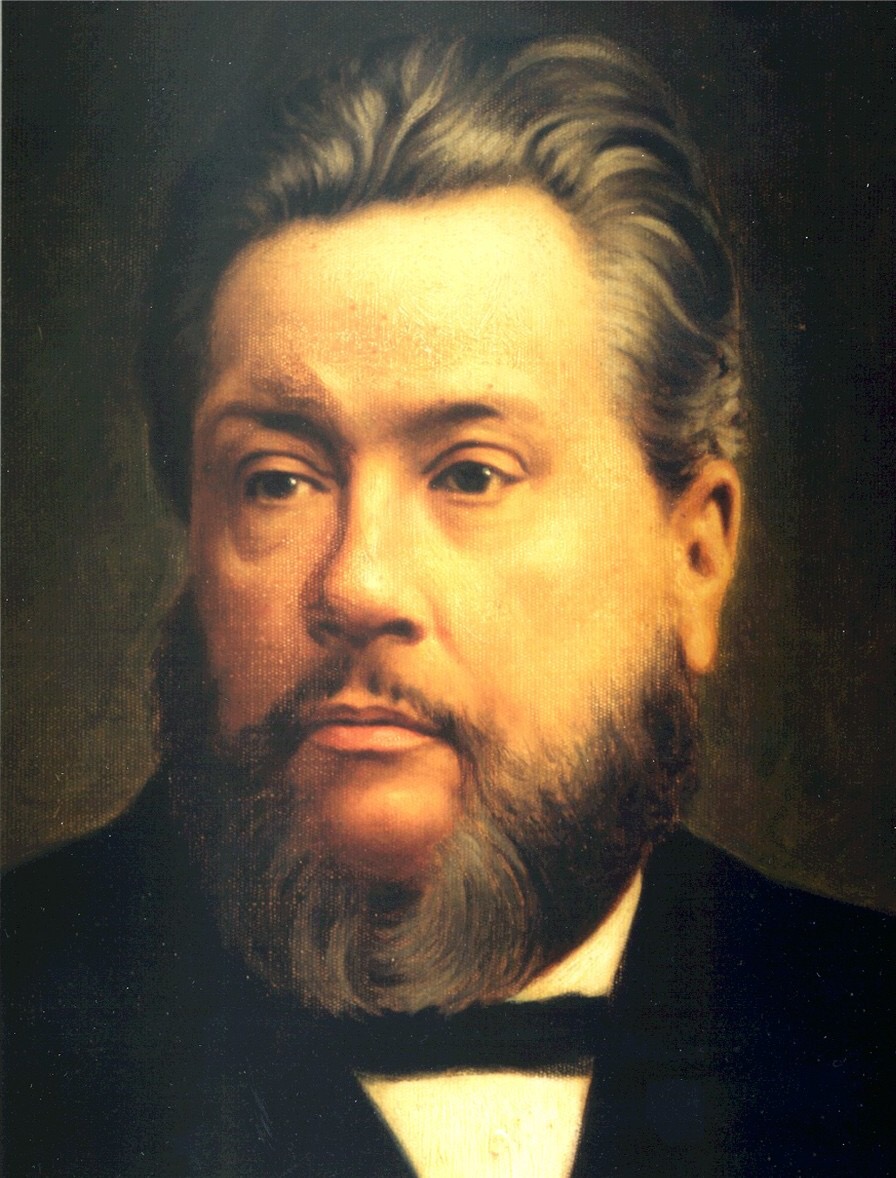
“My people shall dwell in quiet resting places.”
— Isaiah 32:18
Peace and rest belong not to the unregenerate, they are the peculiar possession of the Lord’s people, and of them only. The God of Peace gives perfect peace to those whose hearts are stayed upon him. When man was unfallen, his God gave him the flowery bowers of Eden as his quiet resting places; alas! how soon sin blighted the fair abode of innocence. In the day of universal wrath when the flood swept away a guilty race, the chosen family were quietly secured in the resting-place of the ark, which floated them from the old condemned world into the new earth of the rainbow and the covenant, herein typifying Jesus, the ark of our salvation.—Charles Spurgeon, Morning and Evening, Dec 9 Eve.
The Abuse of Theology and Christian Scholarship
I HAVE SEEN GOD USE good theology to liberate lives. But I have also seen people misuse theology, resulting in abuse, hard hearts and pain. One thing that I have become concerned about in theological studies is the temptation to make overly strong divisions: between academics and the church, between theology and life, between truth and
love. In the past the task of theological reflection was often intertwined with the experience and character of the theologian, so that the result was an organic connection between themes like prayer, humility, suffering and community and the act of “doing” theology. My worry is that in our day, for many of us, we have unintentionally cultivated what might be called theological detachment: such a view produces a divide between spirituality and theology, between life and thought, between faith and agency.—Kelly Kapic, A Little Book for New Theologians, Kindle Loc. 41.
How Spirit-dependent is your preaching?

“How utterly dependent we are on the Holy Spirit in the work of preaching! All genuine preaching is rooted in a feeling of desperation. You wake up on Sunday morning and you can smell the smoke of hell on one side and feel the crisp breezes of heaven on the other. You go to your study and look down at your pitiful manuscript, and you kneel down and cry, “O God, this is so weak! Who do I think I am? What audacity to think that in three hours my words will be the odor of death to death and the fragrance of life to life (2 Cor. 2:16). My God, who is sufficient for these things?”—John Piper, The Supremacy of God in Preaching, Kindle loc. 400.
 Always Reforming