
Although it is not the most important part of a sermon, the introduction is still important. The introduction moves your hearer from a cold start to the body of the message and the exposition of the text. If your introduction is not done well, it can produce all sorts of problems that will hinder your hearers from getting the most from all the hard work you have done in studying the Scriptures.
Why does every sermon or address need an introduction?
- The congregation needs to be prepared to hear the message profitably.
- Coming off of a hard week, dropping a crying baby at the nursery, having an argument on the way to church, distractions from the woes of this world, and many more things are hindrances to hearing the Word preached. The introduction helps get everyone ready.
- People have an aversion to abruptness. An introduction provides the gradual approach to the message.
- People need a gradual change in subject matter that allows their minds to follow along. Moving from the introduction to the text allows the hearer to prepare for a change from a subject they know to one which they are less familiar with.
- The needs of the hearers must be addressed during the introduction.
- Developing need is critical for a good introduction. Why should your hearers continue listening to you? What is it about the main theme that is important for their life and faith that they need to continue on the “Bible bus” with you? Think about the practicalities of the sermon and how it impacts the different people you will be addressing.
- Gets attention and secures interest.
- Sometimes we think about the interest of the most mature Christians when we prepare our sermons. But in any healthy church, there will be both immature and mature Christians along with visitors and unbelievers. These immature Christians, unbelievers and visitors will need more help than the mature when it comes to getting into the sermon. A good attention grabber helps gain their interest.
- Dismisses prejudice, creates favorable regard for the preacher.
- If you are a guest preacher, then the introduction helps to allow the congregation to get to know you a little better and to see that you are trustworthy and someone they want to listen to for the next 45 minutes. Greek oration valued ethos and pathos along with logos. The introduction helps to establish your ethos and pathos before you can get very far into the Word.
- Indicates the purpose of the sermon.
- What is this sermon about? Similar to developing need, the purpose of the sermon is classically attached to the proposition statement as a “so that” clause. The purpose answers the question “So what?” to your sermon idea. What do you want your hearer to do, feel, believe or change?
- Connects the sermon to the last.
- In lectio continua or preaching through a book, there is a need to explain the flow of the argument of the text and weave that into the current preaching portion. This allows the argument of the biblical author and book to be made clear while also connecting what has come before. All sermons should stand alone, but should be connected at the same time.
- Introduces the subject/text of the sermon.
- This often comes in the form of biblical background and context. This is an area where too much information can easily be given. The purpose of this in the introduction is to give enough information to place the text and the subject in its setting for the listener to understand the main idea of the sermon. Too much background information can muddy the introduction and weigh it down as well as taking away time from the exposition of the text.
Every sermon needs a good introduction, and these eight reasons show why one is not only necessary, but also why it is helpful. In an upcoming post I will share with you some sources where you can find good material for using in your introductions. What are some other good ideas you have for sermon introductions? Share your ideas in the comments.


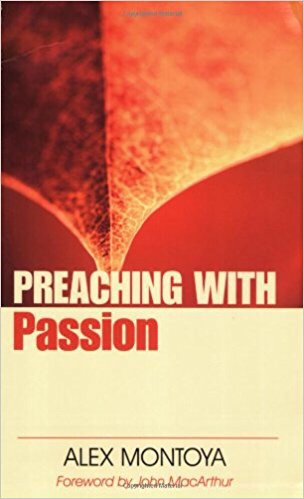 There have been times in my ministry when an icy chill has come over my heart, when my soul no longer weeps, when my sermons no longer connect, and when the act of preaching becomes a drudgery. I know that I have then lost compassion for people. That is when I retreat to a small taco stand in the barrio of East Los Angeles, to a place where real people live. I order a cup of coffee and sit with my back against the wall. Then I watch, I observe, I read, and I listen intently for the heart cry.
 Expository preaching is both an art and a science. But we must beware of the danger of making our sermons either too light or too dense in regards to our content. Those expositors that are more cerebral can easily slide into a lecture mentality that sees the pulpit as a lecture and each Sunday as an opportunity to dump all of their exegetical research upon their unwary members. Those who have been given the “gift of gab” can think that simply because they can fill the allotted teaching time with witty speech, good stories and lots of application are being faithful to preach when they are most often simply pandering to the baser desires of their listeners.
 Always Reforming