The Glory of God in a Season of Pain

“So when Martha heard that Jesus was coming, she went and met him, but Mary remained seated in the house. Martha said to Jesus, “Lord, if you had been here, my brother would not have died. But even now I know that whatever you ask from God, God will give you.” Jesus said to her, “Your brother will rise again.” Martha said to him, “I know that he will rise again in the resurrection on the last day.” Jesus said to her, “I am the resurrection and the life. Whoever believes in me, though he die, yet shall he live, and everyone who lives and believes in me shall never die. Do you believe this?” She said to him, “Yes, Lord; I believe that you are the Christ, the Son of God, who is coming into the world.” John 11:20–27

The glory of God and the love of God are not in conflict with one another. Some theologians try to pit one against the other saying that the sovereignty of God (intimately tied to His glory) cannot override His love for humanity., and therefore the love of God willingly overrides His sovereignty so that God actually submits to the will of His creatures.

John 11 is an interesting test of this idea. In verses 4-6 it says, “But when Jesus heard it he said, “This illness does not lead to death. It is for the glory of God, so that the Son of God may be glorified through it.” Now Jesus loved Martha and her sister and Lazarus. So, when he heard that Lazarus was ill, he stayed two days longer in the place where he was.”]

In these verses we have the glory of God shown in His sovereign decision to allow the life of Lazarus to be overcome by death, with the divine purpose of God being glorified through His resurrection of Lazarus. To some Christians and many unbelievers, this is unthinkable—even monstrous. But this is because the unregenerate mind and the immature Christian mind attribute all discomfort, pain, trial, and even death, as only evil and that the only good that comes is from the avoidance of these things.

But the pain and suffering that occurs in this world is only a small part of the much bigger picture. And not only this, but the pain and suffering as well as the joy unspeakable that are available to humanity either through grace or denial of the offer of salvation are infinite. The present world and its pains and joys are only a small sampling of a greater reality that all of humanity shall experience personally one day.

Jesus, looking beyond the suffering and eventual death of His friend Lazarus knows that a greater lesson needs to be grasped and through the truth He will bring glory to His Father.

So, instead of rushing to the scene to be at His friend’s side, Jesus stayed two days longer to assure His disciples that Lazarus was dead and buried by the time they reached Bethany.

This means that when we are tempted to cry out “Why?” In our trials, we must not push aside the glory of God and begin to question the love of God. The Lord’s mind is vast and His plans are more infinitely complex that we can know or imagine; therefore we must never doubt His love.

Mary and Martha were correct in placing all of their hope in Jesus’ power to heal their brother. The issue was simply timing. Jesus could have healed Lazarus while he was sick (Jn 11:21-27, 32); or immediately after he had died; or long after he died in the future Day of resurrection (v. 24).

The sisters had hoped that the healing would be before his death, but after he had died, they found some comfort in the future resurrection when he would be raised from the dead.

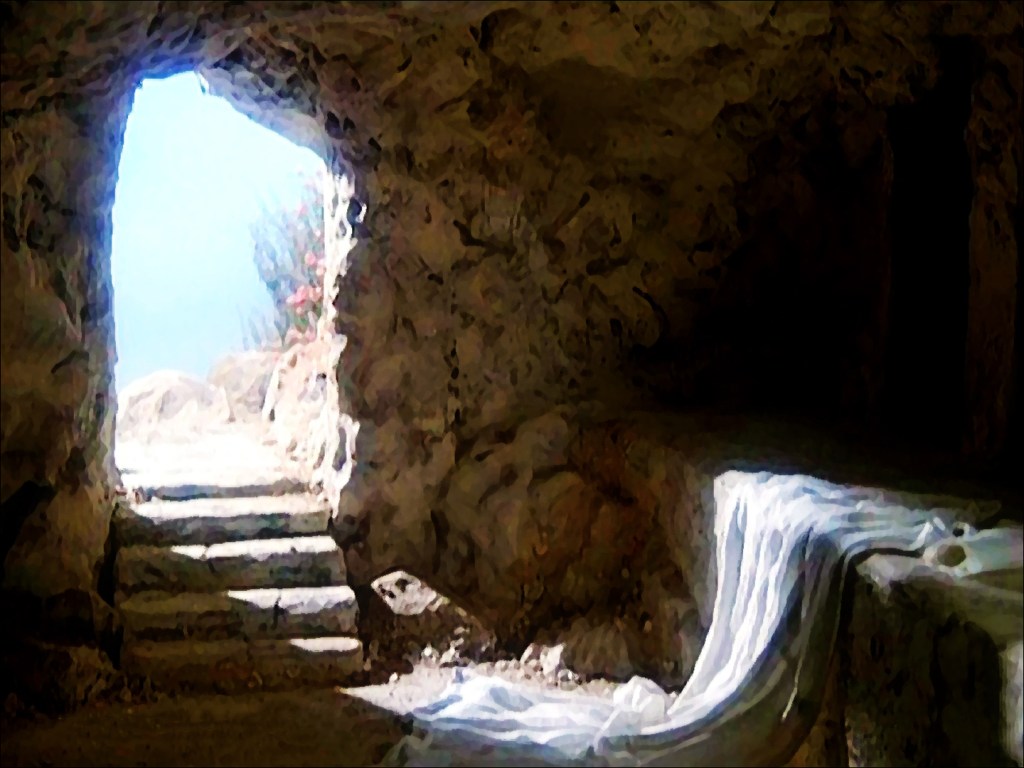
But Jesus gave them immediate resurrection while also pointing them to the reality of the greater day of resurrection that they would still need to look forward to and hope in. We too must cling to this very same hope even without our own personal experience with an immediate healing or resurrection. Jesus proved to Mary and Martha, and by extension to us as well, that He is able to raise the dead—because He raised Lazarus from the dead, and He rose from the grave by His own power.

So the next time you find yourself doubting God’s love or not understanding how such pain could bring God glory, remember Lazarus. You might never understand God’s reasoning, but you must know this—God desires to be glorified and His love for us is infinite. Both are true and both are never super versed by His perfect plans.

When the Old Life Looks Better: Burn the Ships (weekend repost)

In 1519, Hernan Cortez left Cuba and landed on the eastern shores of what is now known as Mexico. After a rough voyage to their landing, the sailors became discouraged as they saw the conditions they would have to encounter. Not only hunger and thirst, but jungles, wild animals and the ‘bloodthirsty’ Aztecs. Knowing the murmuring that was spreading throughout the ranks and perceiving an attempt to flee back to Spain, Cortez had the ships burned. There was no returning. They now had no other option. They would conquer or they would die trying.

Read the rest here: When the Old Life Looks Better: Burn the Ships

How God’s Sovereignty Affects Our Attitude in the Present Circumstances (part 3)

For in the hand of the Lord there is a cup with foaming wine, well mixed, and he pours out from it, and all the wicked of the earth shall drain it down to the dregs. But I will declare it forever; I will sing praises to the God of Jacob. All the horns of the wicked I will cut off, but the horns of the righteous shall be lifted up.

(Psalm 75:8–10, ESV)

Trials, difficulties, and challenges have a way of making clear where we place our faith. For those that are believers in Jesus Christ, the times when we are most challenged in our faith offer us a time not only to test the faith we have, but also to grow in our faith and trust of Christ.

In the first two posts of this series (you can read them here: How God’s Sovereignty Affects Our Attitude in the Present Circumstances (part 1) and here: How God’s Sovereignty Affects Our Attitude in the Present Circumstances (part 2)) I laid out six ways in which the sovereignty of God affects our attitude toward our present circumstances from Psalm 75. Here are the final three reasons:

7. It Focuses Our Hearts On God’s Grace (v. 8)

For in the hand of the Lord there is a cup with foaming wine, well mixed, and he pours out from it, and all the wicked of the earth shall drain it down to the dregs.” (Psalm 75:8, ESV)

The references of God’s wrath being like a cup of mixed wine is a familiar metaphor used throughout the Bible. In the Old Testament, wine was often mixed with spices and used for special occasions, usually for the purpose of intoxication.

In other places, this picture of the wrath of God as a cup of wine pictures the wicked as reeling, vomiting, crazed and prostrate. God is giving them what they so richly deserve. He is giving them a dose of their own medicine. Charles Spurgeon wrote, “The retribution is terrible, it is blood for blood, foaming vengeance for foaming malice. [If] the very color of divine wrath is terrible, what [must] the taste be?”

But how does this encourage us when we are in the midst of the trials? It once again shows that God is sovereign, in control over the wicked. And the encouragement that we receive is in relation to his sovereign grace that he has poured out upon us.

When you recognize the fact that all of mankind sins “and fall short of the glory of God” and that “the soul that sins must die,” you see that you and I are worthy of this cup of staggering—this cup of God’s hot, spiced wrath.

We are so worthy of his eternal punishment. But God poured out his wrath upon our Savior Jesus instead of us. We received mercy because of the abundant grace of God towards us. And it was given to us because of God’s sovereign choice. Undeserved and overflowing.

8. It Encourages Worship (v. 9)

But I will declare it forever; I will sing praises to the God of Jacob.” (Psalm 75:9, ESV)

Because of the surety of the justice of God, the psalmist expresses his delight in God through praise. The title “God of Jacob” used sin verse 9 is both an endearing name as well as a covenant name. Although our God is indeed the God of all the nations, the psalmist personalizes his worship by expressing praise that the God of the universe is also the personal God who loves, cares for, and protects his people.

Have you thought much about why you worship God? Most of us would probably say that we worship him because of what he has done for us—for his love of us, most clearly shown in personally saving us from our sins.

But here in verse 9, the psalmist gives us another perspective about praise. It includes praising God for who he is which drives what he has done, including bringing us salvation. In verse 9, the psalmist is praising the Lord for his vengeful wrath which he will pour out upon all unrepentant sinners. Now, to most of us, that seems like a weird thing to praise God about—maybe even inappropriate. “Praise God for crushing sinners and sending them to hell?” Is that right?

To clarify, we shouldn’t delight in the punishment of sinners with a ghoulish delight. But we should see that it is very appropriate to praise the Lord for his justice and hatred of evil, by which he will make right all wrongs, and punish the wicked for their rebellion against God.

Look at Rev. 19:1-3 when you have an opportunity. If you read it, you will see the rejoicing and praise of God’s people. Then in verses 6-18 you will read about two feasts of celebration—the marriage supper of the Lamb (in verses 6-10) and the Great Supper of God prepared for the birds of the air (in verses 17-19). 

So, we should think about God more deeply and meditate on him as we seek to worship him. Our Great God is worthy of worship for all of his attributes, not just the ones we benefit from and are tied to our comfort. His so-called “negative” attributes along with his positive attributes all make up the character of God—and everything about our Great God and Savior is worthy of praise.

9. It Drives Evangelism (vv. 9-10)

But I will declare it forever; I will sing praises to the God of Jacob. All the horns of the wicked I will cut off, but the horns of the righteous shall be lifted up.” (Psalm 75:9–10, ESV)

There is a question about what exactly the “it” in verse 9a means and how it ties in with verse 10. Some scholars have said that the “it” of verse 9a refers to what God said he would do to the evil. And I think that that is part of it, but not all that the “it” refers to.

There is a bit of a puzzle in verse 10 as well regarding who is speaking, but I believe the most logical and probable answer depends on the word “it” in verse 9. I believe the psalmist is stating that he will declare God’s words of impending judgment. It would read something like this, “But I will declare [the coming judgment of the Lord] forever; and I will sing praises to the God of Jacob.”

And then, verse 10 makes sense. It is a reiteration of what he has already said about bringing low the proud “horns” of the wicked.

Now if that is what it means, then here is what I think that means for us. I think the impending judgment of the Lord should have two responses that impact our evangelism:

First, it should drive us to share Christ because we believe in the reality of the coming judgment of God. How can we say we believe in hell and the torments of a Christless eternity and yet still remain unmoved to share Christ?

And finally, a warning of the coming judgment of God should be included in our gospel messages. Many versions of gospel presentations have been “cleaned up” and sanitized like some Disney movie. No blood or gore. Everything packaged up into a neat and clean “Jesus loves you” gospel. Even John 3:16 is inadequate in itself because “perish” is so vague. Unpack this when you proclaim the gospel. Let sinners feel the fires of hell. Don’t let them go unwarned!

When we remember the fact that our God is seated upon his throne, it changes everything in our outlook. And the reverse is true as well. When we forget or minimize the sovereign rule of God over this world, we also cast ourselves in a place where we were never meant to be, carrying burdens we were never meant to carry. For the unbelieving world, this is how it functions. But for the child of God, may we not only say that Jesus is Lord, but may we live daily in the beautiful light of this truth and embrace each day as a gift from our sovereign God.

How God’s Sovereignty Affects Our Attitude in the Present Circumstances (part 1)

In his famous hymn “This is My Father’s World”, Maltbie Babcock wrote these comforting words:

This is my Father’s world, O let me ne’er forget/ That though the wrong seems oft so strong, God is the ruler yet. This is my Father’s world: The battle is not done; Jesus who died shall be satisfied, And earth and heav’n be one.

This stanza pulls together two truths that confront us in this world—“the wrong seems oft so strong” and “God is the ruler yet.” In the next three post I want to address this from the biblical perspective of Psalm 75. Over each of the next three posts I will lay out a total of Nine Ways in Which the Sovereignty of God in Dealing with the Wicked Affects Our Attitude Toward our Present Circumstances. Let’s begin…

1. It Makes us Aware That God is Always Near Us (v. 1A)

Psalm 75:1a “We give thanks to you, O God; we give thanks, for your name is near.

The reason for the psalmist’s thankfulness was that the “name” of God was near. The “name” of course, points to the presence of God himself.
David wrote about this nearness in Psalm 139:1-12 when he spoke of the Lord intimately knowing mankind from when he knit us in our mother’s womb as well as every other aspect of our lives. There is nowhere that we can hide or be hidden from his presence.

This is a comforting reality in times of need and pain. God really is right here with us. He hears your prayers. He sees your enemies as they attack. He sees it all.

2. It Gives us a Thankful Heart (v.1b)

Psalm 75:1b “We recount your wondrous deeds.

Along with his nearness was a legacy of remembering that brought forth a thankful heart.

Remembering and reciting aids in developing a thankful heart. We are forgetful people, aren’t we? The Lord knew this, and so he constantly calls his people throughout the Scriptures to remember, even instructing them to set up memory aids, special dates, rites, and festivals. In the Church Age, Christ instituted the Lord’s Supper to be done “in remembrance of him.” Why? Because as monumental as the cross of Christ is for our eternity, we still forget about it if left to ourselves.

Psalm 78:4 speaks about the need for parents to recite these memories to their children. It says, “We will not hide them from their children, but tell to the coming generation the glorious deeds of the Lord, and his might, and the wonders that he has done.

We can grow anxious and weary when we forget that God is in control. We can begin to see ourselves as helpless, awash in the chaos of the world, victims of chance. But if you sit down and read through the pages of Scripture, you will quickly begin to see that God has always been in control. Reminding yourself of this fact will change your outlook radically.

3. It Teaches Us Patience (v. 2)

Psalm 75:2 “At the set time that I appoint, I will judge with equity.

Here we have a change of speakers—the song has moved from Asaph speaking (or the priest who led the singing) to God himself speaking. The Lord says that “at the set time that I appoint…” This language in Hebrew refers to seasonal time, not clock time. Clock time spins fast. Seasons don’t work by a clock. Fruit doesn’t ripen according to your watch. God doesn’t punch-in to work.

Let there be no mistake, God will judge—he says so. But he will judge at the set time that he appoints. We can’t say “Amen” to God’s sovereignty and then be impatient when he doesn’t act on our schedule, can we? We can’t be like Martha, Lazarus’ sister, who got so upset that Mary wasn’t helping her prepare the food in the kitchen that she stomped right into the middle of Jesus’ teaching time and demanded that the LORD command her sister to help her! It appears Martha thought Jesus needed a little help leading the world. He doesn’t.

When you become impatient and wonder when God will judge, remember that God is in control as he has always been. Be still and know that he is God.

The Need for Modern Reformers in the Local Church

“The problem with preachers today is that nobody wants to kill them anymore!”

Steven J. Lawson
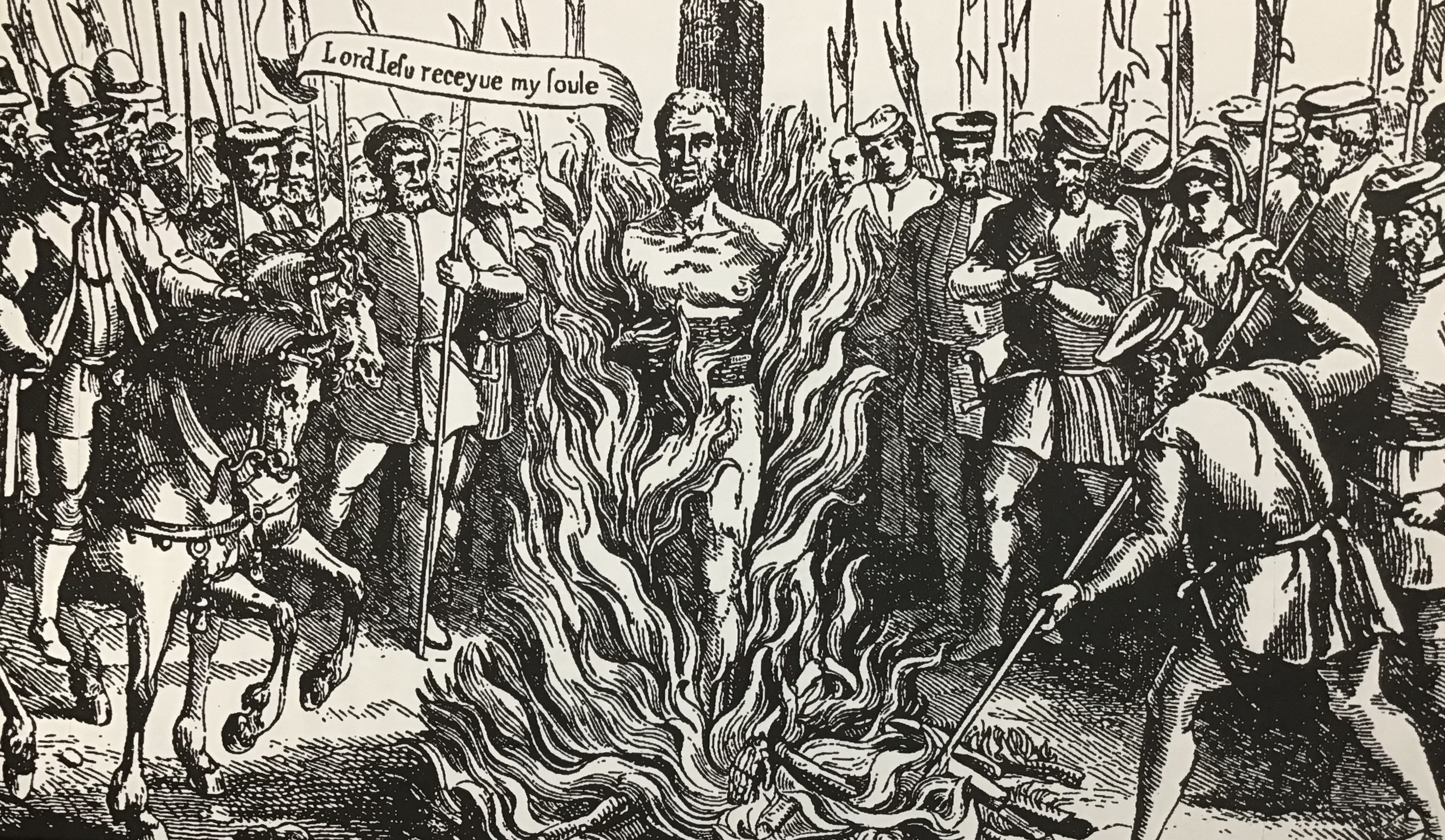
Bishop Hooper burned at the stake for the gospel.

Although we Protestants say that we don’t venerate the saints, you wouldn’t know it the way some pastors fawn over Luther, Calvin, Knox, Spurgeon, and other reformers. Don’t get me wrong, I think those men were used mightily of God, in spite of their flaws and personal sin.

But what I wonder about is how it is that so many pastors who would look up to these men and admire them for their courage and boldness are so cowardly in their own churches when they are called upon by the testimony of the Word of God to stand firm against a potential revolt by those who do not want biblical change.

When Gideon was called to pull down the idols in his town, he may have been overcome by the fear of man, but at least he did it, even if under the cover of night. And when they found out what he did, they wanted to kill him.

When Josiah came to understand how far Judah had fallen away from obedience to the Law, he immediately began to purge Judah and Jerusalem of its idolatrous high places and reinstated the reform that was necessary to please the Lord. This led to a need to rebuild and reorder the temple so that proper worship could be restored.

And the church today is in need of men who are ready and willing to make the changes that are needed in their local churches where unbiblical practices have found a nesting place for ages. For fear of confrontation, loss of income, or prominent families, or a simple fear of losing your job, pastors remain silent in the face of unrepentant sin and all manner of false practices. Unregenerate men are allowed to remain on elder and deacon boards, unhealthy and unbiblical curriculum and programs continue to function so as to avoid a conflict with a women’s ministry head or the parents of the youth. The call for entertainment in church continues to ring louder as the Word of God is given less time to work in the hearts that need it.

Yes, we admire Luther’s stand at the Diet of Worms where he refused to recant. We applaud Spurgeon for being unwilling to give in to the New Measures that sought to entertain the goats. We are in awe of Whitefield who preached the gospel wherever he could garner an audience. We rejoice at the courage of John Rogers and the other Marian martyrs who refused to stop preaching under Bloody Mary of Tudor, and were burned at the stake for it. But will we stand today? Where is our courage? Where is our godly resolve to trust God in the face of angry adversity within and outside of the church? Brothers! Be strong and very courageous!