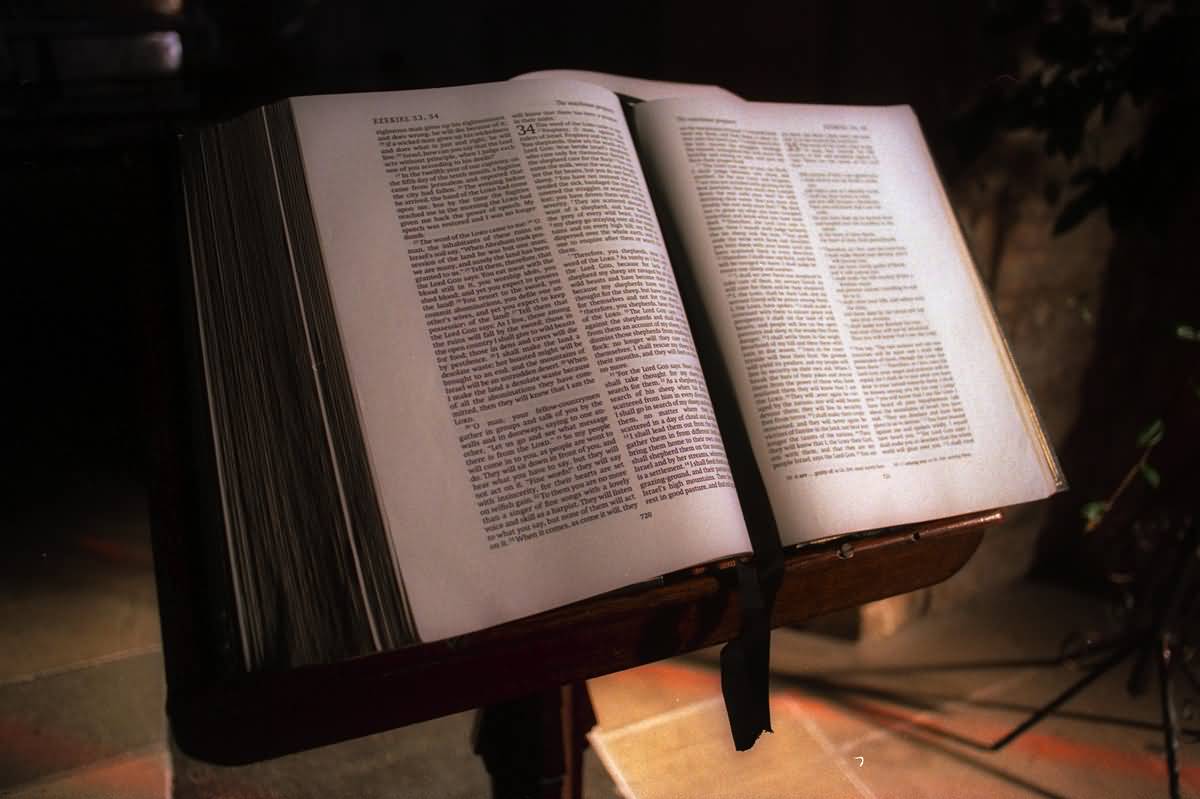
On Friday I posted part one of this article that compared the biblical revivals of Jehoshaphat, Hezekiah, and Josiah with the Great Awakening as recording by Jonathan Edwards in his work, A Faithful Narrative of the Surprising Work of God. You can read that post here. In that post I explained the necessity of godly leadership as a catalyst for effecting revival. This leadership needs to exist in the church and the home. Today I would like to continue by showing that biblical reformation also requires three more elements to set the stage which will allow God to move forward if he wished to bring about true biblical revival.
2. Respect for the Word of God; 2Chron 17:7-9; 30:1-27; 34:8-21
Second Chronicles 17:7-9 tells us that Jehoshaphat had a high view of the Word of God. In the third year of his reign, having cleared Judah of false worship, Jehoshaphat sent out his officials, along with a group of Levites and some priests to go throughout Judah to teach the “book of the Law of the Lord” to the people. The king knew that change is not merely an organizational or motivational agenda. He didn’t seek to write up a mission statement or cast a vision for the people. Instead, he immediately removed the clear violations of God’s Word and then proceeded to teach the people the Law so that they could see for themselves what God expected of them.
King Hezekiah understood that a respect for the Word of God is more than a mere reverence for the Book. True respect means to honor God with obedience. In 2 Chronicles 30, Hezekiah took the next step that was necessary after restoring the Temple–celebrating the Passover as prescribed in the Law. This required preparations that had not occurred for many years, including calling all of Israel to join in the feast. The priests were required to consecrate themselves in preparation for the day. With the feast and offerings came a renewed delight in God and his Word.
Josiah lived in a day when the Law had been lost. The Word of God was nowhere to be found and because of this, it was neither read nor obeyed. When the workmen assigned to restore and cleanse the Temple came across the Book of the Law it was brought before the King. As Shaphan the secretary read the Book before the king he immediately realized how disobedient Judah had been in not keeping the Law. From this reading Josiah could now understand God’s displeasure with His people and why He had poured out his wrath upon them. Straightaway Josiah sought to restore what had not been observed in the Law.
During the beginning of the Great Awakening, the people began to react to the preaching of the Word with intense passion. Societally, people were expected to attend church with the result that nominal Christians filled the pews at times. As Edwards saw the Spirit moving, he saw many of these same people respond to the preached Word with increased power and emotional response. The hard hearts of the people were being softened by the Word.
There is a way to pay lip service to the preaching of the Word–a mechanical way of going through the motions. But do we weep over our Bibles as we see our sinful selves reflected in the pages of Scripture (James 1:22-24)? Are we broken by the Word allowing it to pierce into our hearts and scan our very souls (Heb 4:12-13)? And the man in the pulpit is no different. Many preachers lack passion in their preaching because they lack a passion in their hearts for God. Cold sermons often times come from a cold heart.
Let me ask you friend, do you think deeply about the Word of God, or do you plow through your Bible reading and devotions, excusing your quick reading as “better than nothing?”Do you think that God subscribes to the “quantity is better than quality” idea behind Bible reading?
At our churches, do we expect the Word to break hardened hearts, or are we timid, never really expecting that the Word will change much in ourselves or others? If we look at the amount of evangelism you do personally, we can see what you expect.
Opening up ourselves to be revived by the Holy Spirit will take the efforts of those who lead the church and the home. But every believer is called to have a holy reverence for the Word of God that extends beyond mere lip service. In the next blog post I will look at two more steps that our godly trio of Judean Kings took that we can also emulate in our homes and churches.