Criticism is a hard thing to deal with. This past week as I was digging through some old files on my computer I found a file that I had labeled “problems.” I currently have a paper file labeled the same in my desk drawer where complaint letters are kept. Thankfully it doesn’t have too many letters in it…yet.
Going back to the other day, I knew that I shouldn’t open the file and look inside, but curiosity got the better of me and I did. Inside I found some letters from when I was a pastor in California. The memories of those occasions had mercifully faded, but the letters instantly brought back those difficult days.
Criticism is a hard thing to deal with. This past week as I was digging through some old files on my computer I found a file that I had labeled “problems.” I currently have a paper file labeled the same in my desk drawer where complaint letters are kept. Thankfully it doesn’t have too many letters in it…yet.
Going back to the other day, I knew that I shouldn’t open the file and look inside, but curiosity got the better of me and I did. Inside I found some letters from when I was a pastor in California. The memories of those occasions had mercifully faded, but the letters instantly brought back those difficult days.
As I reviewed the contents, I could feel myself growing anxious as I repeated in my mind the answers to the harsh and unfair things written in them. Although there may have been small bits of truth sprinkled throughout, these letters represented the worst of the problem issues in my ministry.
You see, whenever someone has come to me with an issue, although it would be easier to push off the person by ignoring them, or tell myself that I know better because God has called me as the pastor of the church, I know that this would be foolish. I have tried to give everyone a hearing who comes and brings a complaint—and often I have had to humble myself and ask forgiveness when I have been wrong. Sometimes I am partially wrong or there has been a misunderstanding. If that is the case, I then have an opportunity to set things right and correct the error-either in them or myself, or both of us.
But these files I have often marked times when a person had come with sinful intent in their heart. They may have been bitter, sinfully angry, or even divisive. Many times they may have also been too cowardly to even speak to me personally and had emailed their complaint. I kept those emails and letters as a record of their words in case the issues needed to be further addressed with discipline, or maybe several meetings so that we could work through the underlying issues that are sometimes at the root of the problems.
The old files reminded me of something else. I am reminded in times when venom has been spewed at me by those who at one time professed to love me and the church, that it is possible—even as a Christian—to become so bitter and angry that we become a pawn in the hands of our enemy. He uses such embittered Christians to sow discord and division in Christ’s Church.
Not every complaint or criticism should be viewed in this way. But when we have truthfully evaluated the complaints brought to us and see that the heart of the complainer has succumbed to the root of bitterness, we must put aside the complaint, leaving it to the Lord. And we must guard our own hearts against becoming bitter ourselves. Instead we must pray that the Lord would free our embittered brethren from their anger, and we must long to see the day when we will be reconciled—whether in this life or the life to come.
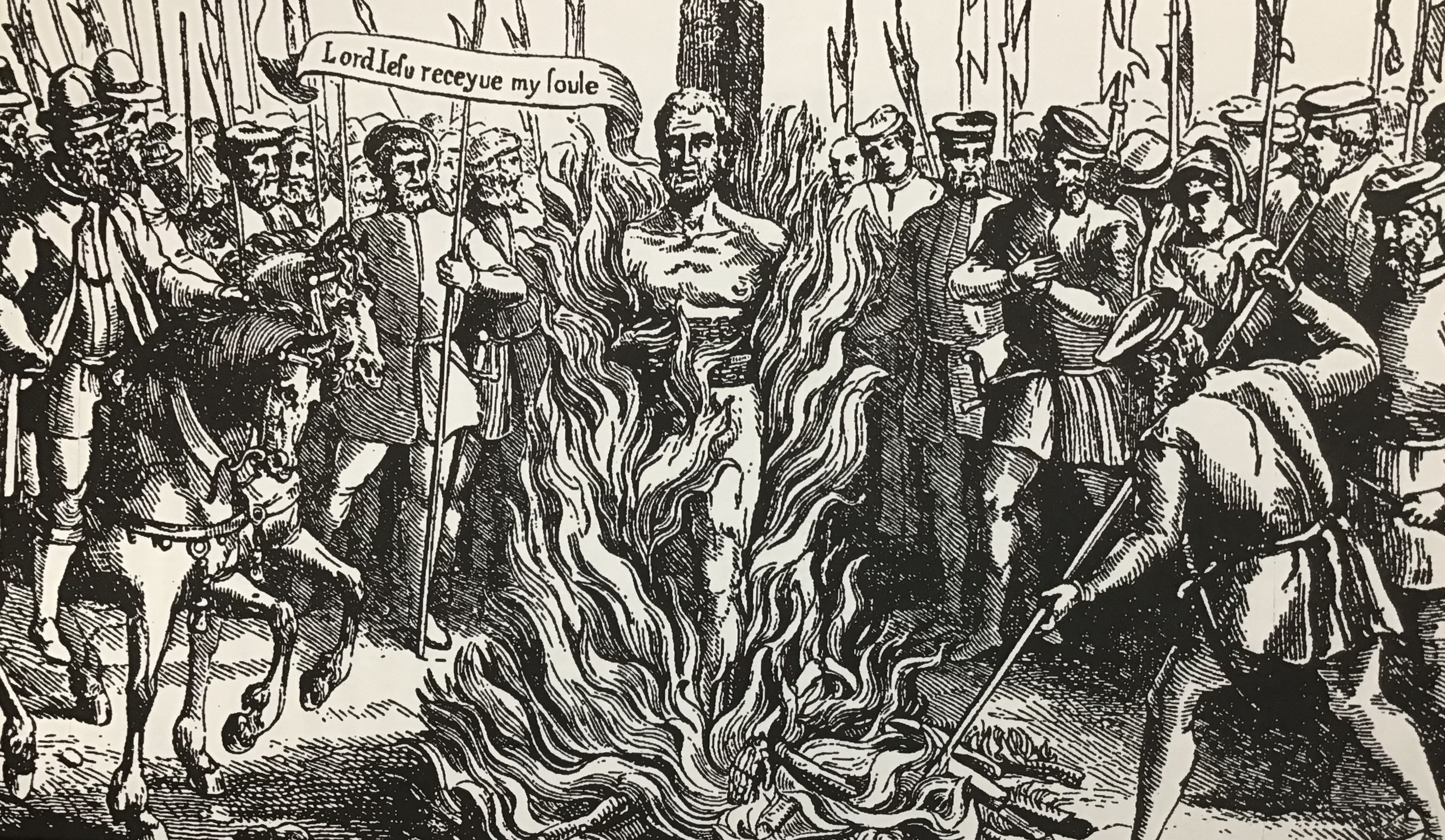
Although we Protestants say that we don’t venerate the saints, you wouldn’t know it the way some pastors fawn over Luther, Calvin, Knox, Spurgeon, and other reformers. Don’t get me wrong, I think those men were used mightily of God, in spite of their flaws and personal sin.
But what I wonder about is how it is that so many pastors who would look up to these men and admire them for their courage and boldness are so cowardly in their own churches when they are called upon by the testimony of the Word of God to stand firm against a potential revolt by those who do not want biblical change.
Joining a denomination or going at it alone are not the only options for churches, pastors, leaders, and ministries.
Maintaining doctrinal fidelity and alignment is critical when seeking to work with others to accomplish Great Commission objectives.
IFCA International was founded in 1930 to fight against the onslaught of theological liberalism growing in denominational churches, mission agencies, and seminaries.
Listen to a podcast I was invited to record with some fellow pastors a few months ago as they ask me more about IFCA International. To find out more, go to http://www.IFCA.org.
With the most recent discovery of the moral failure of Ravi Zacharias, many have wondered how it is that such a thing could happen again. But there is a common denominator among many of these men that we must address because although our own fall may not be publicized to the same extent, there is no doubt that it will have similar destructive results.
Whether it was Zacharias, James McDonald, Mark Driscoll, Jack Schapp, Jim and Tammy Faye Bakker, Jimmy Swaggart, or any of the seemingly endless list of failures, there is a commonness to their ability to go so far in their sin before they crashed and burned. You don’t need to look far and you will see that each of these people were able to get so far in their sin because they built a structure around them of yes-men that they knew would not stand up to them and hold them accountable to biblical standards of holiness.
Whether it is gold, girls, glory, or a combination of these, each failure achieved such great heights because they had constructed a system that assured them that their lusts could grow unchecked. In essence they set a trap for themselves, as the Proverbs say:
“For in vain is a net spread in the sight of any bird, but these men lie in wait for their own blood; they set an ambush for their own lives. Such are the ways of everyone who is greedy for unjust gain; it takes away the life of its possessors.” (Proverbs 1:17–19, ESV)
The threat is not only for the A-list celebrity Christian though. We may not be able to attain to the great heights from which they fall, but we shall fall nonetheless. The Apostle Paul warned Timothy of words that must be ever-present in our lives: “Keep a close watch on yourself and on the teaching. Persist in this, for by so doing you will save both yourself and your hearers.” (1 Timothy 4:16, ESV)
How can we avoid the same end?
Make sure you are in the Word and in prayer daily. This doesn’t point to a legalistic requirement, but a need for the Spirit to continuously work in our hearts through the Sword of the Spirit.
Make sure you have submitted yourself to a pastor or elder(s) to hold you accountable. This means that if you are a pastor, you are allowing another godly elder or elders to confront you and ask you the hard questions when necessary.
Be aware of your own propensities and weaknesses, but do not put too much trust in your own judgment. Allow those closest to you to point out your blind spots and then you must listen to their wise counsel and correction.
Allow trusted men of God access to you. Don’t cut yourself off from those who will be most honest with you because they love you.
Be careful not to shut out those who disagree with you. “Yes men” might make your plans go smoother, but you need those who will look at things differently from you and might point out those things you (and your yes-men) might fail to see.
When you are wrong, confess it, repent, and ask forgiveness. Don’t cover your sin or make excuses for it. We all mess up, but there is no excuse for prideful avoidance of guilt.
Be willing to listen to criticism with a humble heart. Try to find truth and helpful counsel, even in those complaints that might be unfair and even mean-spirited.
Be an open book to several trusted people in your life. You should be unafraid to open up any area of your life to a trusted friend who asks, especially in the areas where there may be a potential risk of failure.
Don’t develop a form of church government that cordons you off from any form of biblical scrutiny. Special committees that don’t answer to or communicate with anyone but the pastor have great potential to be a hiding place for sin.
Satan loves to work in shadows and whispers. The more light that we allow to shine on our ministry, the less there is a possibility that sin can grow or remain hidden for long.




 Always Reforming