My Top Three Practical Books on Preaching

Last week I asked for you to send me any questions that you might have that I could answer in future blog posts. One question asked about my top three favorite preaching books. Since I love preaching, and spent 12 years teaching the subject at a seminary, I have amassed quite collection of books on the subject, making my task a lot harder.

So instead of trying to whittle down my top three from my collection, I thought that I would pick my top three in different areas of focus. Today I want to share with you my favorite books in the area of preaching mechanics. These three books excel in the nuts and bolts of preaching by making the process simple and taking out the highly technical language by instead approaching preaching from the practitioner’s point of view.

Here are my top three practical preaching books, in no particular order, along with a link to them in Amazon to make finding them easier.

12 Essential Skills for Great Preaching by Wayne McDill (Amazon)

Funny enough, this book was never assigned for my preaching classes while in seminary, nor was it on any recommended reading lists. As a matter of fact, I had never even heard of this book until I was given it as a gift from my pastor, who is also the author of the last book. This book is gold. It is so helpful that I made it a required reading book in my preaching clinic class and constantly was asked by students why they weren’t required to read this book earlier.

McDill has set up his book as a practical handbook with an essential skill being presented in each chapter along with a worksheet to help the expositor develop the skill they have just learned. Although it is good to read through the whole book, you will find that it will be a book you come back to over and over again as you seek to strengthen or develop in a particular area of weakness in your preaching.

Preaching That Changes Lives by Michael Fabarez (Amazon)

This book excels in teaching how to make a sermon proposition and outline much more applicational and helpful to the congregation. Very often seminary students that have no experience preaching will come out of seminary with skills in biblical languages, exegesis, hermeneutics, theology, and other technical skills (which they need), but struggle with how these fit into a sermon without overloading the congregation with unnecessary and technical details.

Fabarez teaches the reader how to think through the sermon as it relates to the listening audience. This should lead to a sermon outline that is both faithful to the text as well as points to what the text is calling the listener to do. For those who don’t believe that the preacher should make application of the text in their sermons, the forward by John MacArthur might help overcome their resistance.

Preaching with Passion by Alex Montoya (Amazon)

Pastor Alex Montoya taught at The Master’s Seminary for many years in pastoral ministries and taught several courses in Expository Preaching. This book is largely constructed from the framework of his preaching class notes.

Dr. Montoya is pastoral and practical in his book, seeking not only to instruct pastors who may have lost their passion in preaching, but he also aims to set the newer preacher’s heart aflame with practical discussions on what makes a pastor have passion, what kills his passion, and how passion can be developed in a sermon without it being a phony show or emotionally-driven using wonderful illustrations from his many decades of pastoral ministry.

Now its your turn. What have been your most helpful preaching books with this practical focus?

Dealing Honestly with Criticism in the Ministry (weekend post)

Criticism is a hard thing to deal with. This past week as I was digging through some old files on my computer I found a file that I had labeled “problems.” I currently have a paper file labeled the same in my desk drawer where complaint letters are kept. Thankfully it doesn’t have too many letters in it…yet.

Going back to the other day, I knew that I shouldn’t open the file and look inside, but curiosity got the better of me and I did. Inside I found some letters from when I was a pastor in California. The memories of those occasions had mercifully faded, but the letters instantly brought back those difficult days.

Read the rest of the post here: Dealing Honestly with Criticism in Ministry

Dealing Honestly with Criticism in Ministry

Criticism is a hard thing to deal with. This past week as I was digging through some old files on my computer I found a file that I had labeled “problems.” I currently have a paper file labeled the same in my desk drawer where complaint letters are kept. Thankfully it doesn’t have too many letters in it…yet.

Going back to the other day, I knew that I shouldn’t open the file and look inside, but curiosity got the better of me and I did. Inside I found some letters from when I was a pastor in California. The memories of those occasions had mercifully faded, but the letters instantly brought back those difficult days.

As I reviewed the contents, I could feel myself growing anxious as I repeated in my mind the answers to the harsh and unfair things written in them. Although there may have been small bits of truth sprinkled throughout, these letters represented the worst of the problem issues in my ministry.

You see, whenever someone has come to me with an issue, although it would be easier to push off the person by ignoring them, or tell myself that I know better because God has called me as the pastor of the church, I know that this would be foolish. I have tried to give everyone a hearing who comes and brings a complaint—and often I have had to humble myself and ask forgiveness when I have been wrong. Sometimes I am partially wrong or there has been a misunderstanding. If that is the case, I then have an opportunity to set things right and correct the error-either in them or myself, or both of us.

But these files I have often marked times when a person had come with sinful intent in their heart. They may have been bitter, sinfully angry, or even divisive. Many times they may have also been too cowardly to even speak to me personally and had emailed their complaint. I kept those emails and letters as a record of their words in case the issues needed to be further addressed with discipline, or maybe several meetings so that we could work through the underlying issues that are sometimes at the root of the problems.

The old files reminded me of something else. I am reminded in times when venom has been spewed at me by those who at one time professed to love me and the church, that it is possible—even as a Christian—to become so bitter and angry that we become a pawn in the hands of our enemy. He uses such embittered Christians to sow discord and division in Christ’s Church.

Not every complaint or criticism should be viewed in this way. But when we have truthfully evaluated the complaints brought to us and see that the heart of the complainer has succumbed to the root of bitterness, we must put aside the complaint, leaving it to the Lord. And we must guard our own hearts against becoming bitter ourselves. Instead we must pray that the Lord would free our embittered brethren from their anger, and we must long to see the day when we will be reconciled—whether in this life or the life to come.

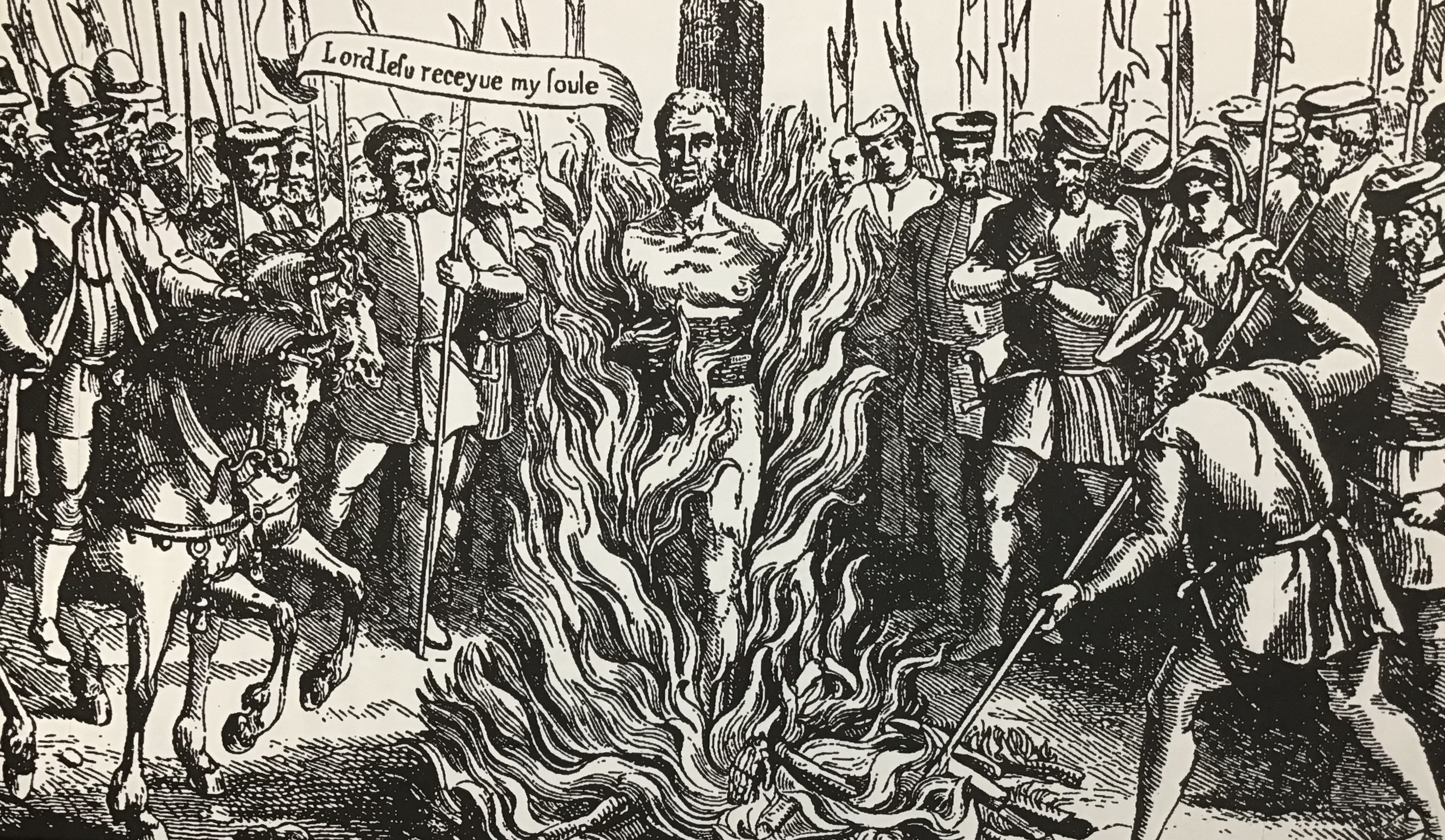
The Need for Modern Reformers in the Local Church (weekend repost)

Although we Protestants say that we don’t venerate the saints, you wouldn’t know it the way some pastors fawn over Luther, Calvin, Knox, Spurgeon, and other reformers. Don’t get me wrong, I think those men were used mightily of God, in spite of their flaws and personal sin.

But what I wonder about is how it is that so many pastors who would look up to these men and admire them for their courage and boldness are so cowardly in their own churches when they are called upon by the testimony of the Word of God to stand firm against a potential revolt by those who do not want biblical change.

Read the rest of the post here: The Need for Modern Reformers in the Local Church

The Blessings and Benefits of Ministry Fellowship

Joining a denomination or going at it alone are not the only options for churches, pastors, leaders, and ministries.

Maintaining doctrinal fidelity and alignment is critical when seeking to work with others to accomplish Great Commission objectives.

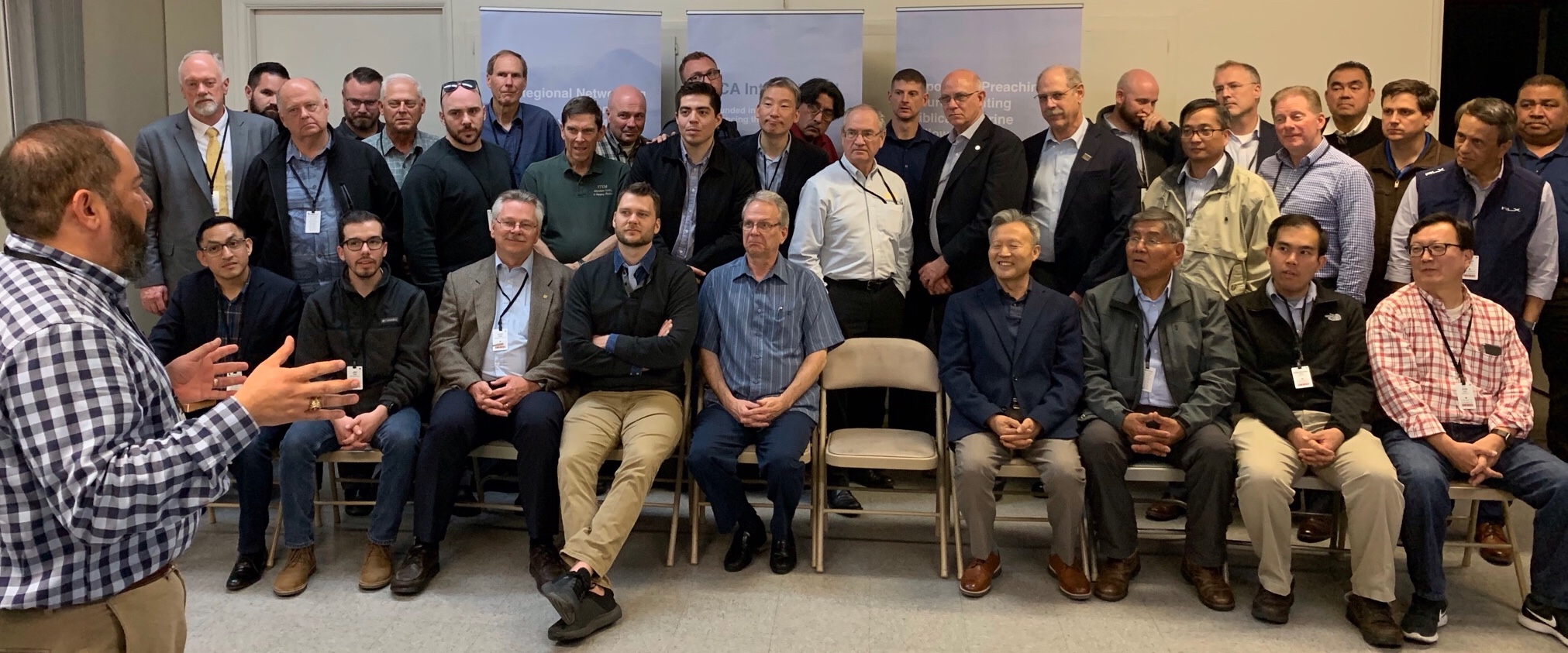
IFCA International was founded in 1930 to fight against the onslaught of theological liberalism growing in denominational churches, mission agencies, and seminaries.

Listen to a podcast I was invited to record with some fellow pastors a few months ago as they ask me more about IFCA International. To find out more, go to http://www.IFCA.org.

Listen to the podcast here.